Cultural Displays
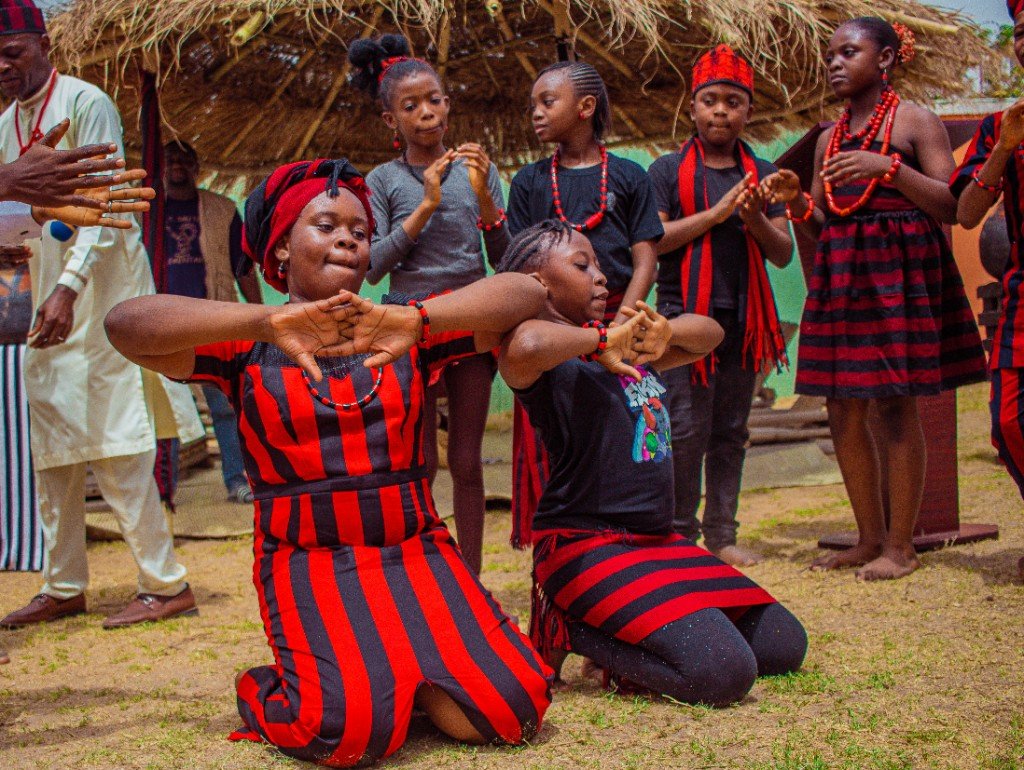
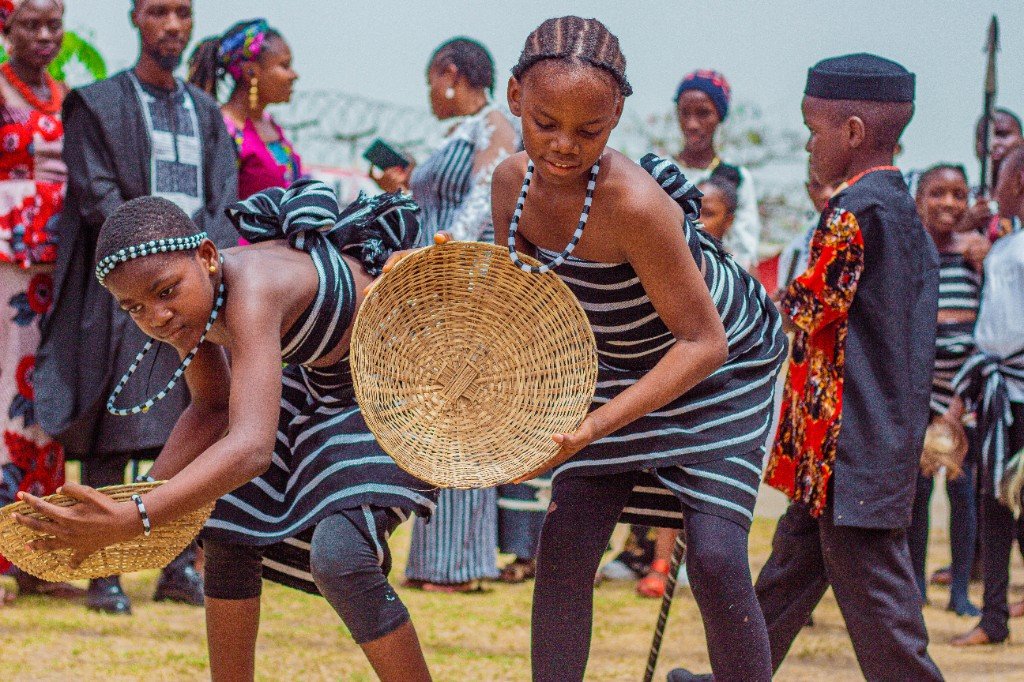
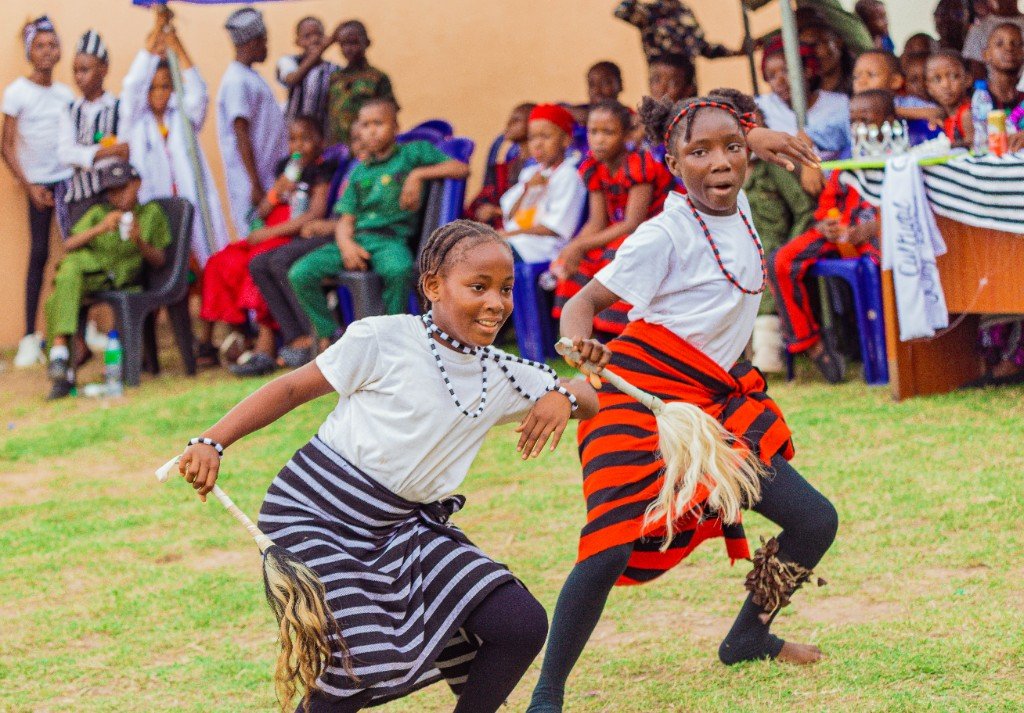
Each school brings work it has rehearsed: dance, music, dress, and the stories of Benue, presented so other schools can see the standard.
Benue
Schools
Culture
Competition
The idea
The Benue Schools Cultural Fiesta is a competition for secondary schools in Benue State. Each school chooses categories, rehearses its students, and presents that work, including dance, music, fashion, art, storytelling, drama, heritage exhibitions, and knowledge of Benue, in front of other secondary schools and the community.
In the competition, schools present against one another. The strength of a presentation depends on how carefully the school prepared. The learning happens in the weeks of rehearsal, when students practise language, costume, rhythm, and history until they can carry them on a stage.
01
Teachers and cultural guides rehearse the students. Songs, steps, costumes, stories, and the history of Benue are learned inside the school before anyone travels.
02
Each secondary school fields its students in the categories it entered. Other secondary schools do the same. The competition is that meeting.
03
A school is seen by how well its young people carry the culture. Recognition follows the presentation. Final rules for each category are confirmed with the schools that enter.
Each school brings work it has rehearsed: dance, music, dress, and the stories of Benue, presented so other schools can see the standard.
Students step forward for their own school. They are not guests at someone else's programme. They are the ones on the stage.
Parents, elders, and cultural custodians help with rehearsal, costume, and language, then come to stand with the school on the day.
Only secondary schools enter this competition. A school fields its own students in the categories it chooses. The fiesta is the meeting of those entries from across Benue.
Registration is the start, not the event. After a school enters, its teachers choose the categories, gather the students, and spend the weeks before the fiesta on the actual work: the dance, the songs, the attire, the stories, and the facts of Benue history those students will be asked to present.
On the day, those students represent the secondary school. Another school's students are doing the same thing a few metres away. That is the competition. Cultural pride is the reason the schools prepared, and the standard the audience can see.
Rehearsal turns heritage into something students can perform and explain.
Each category asks for a different skill, from the drum to the runway to the spoken story.
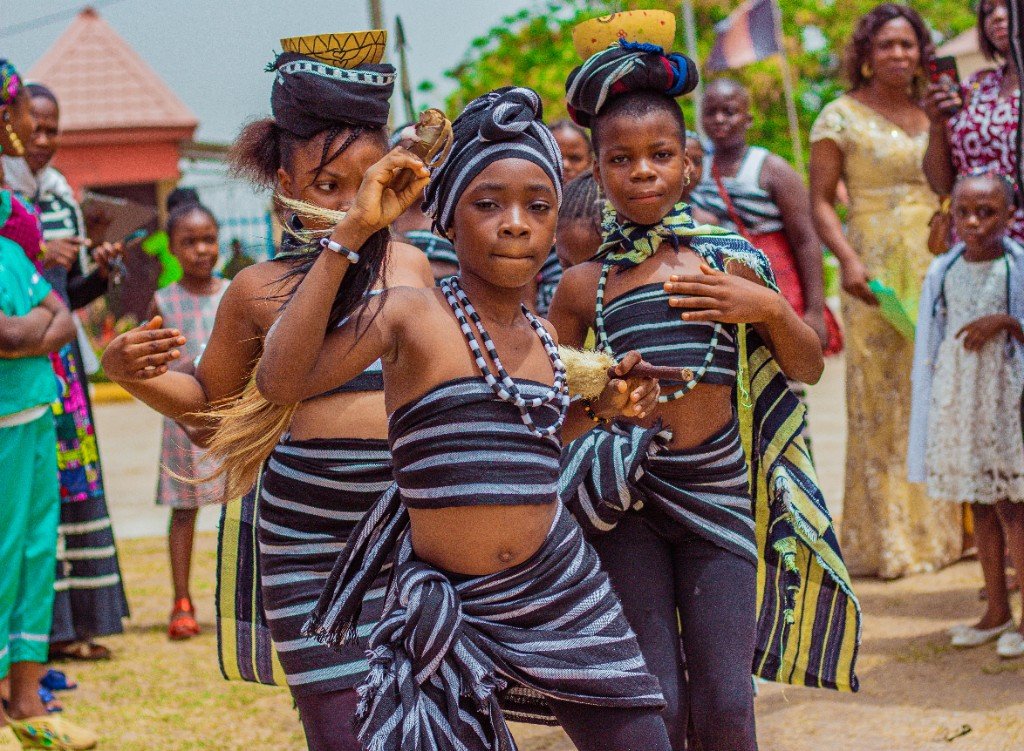
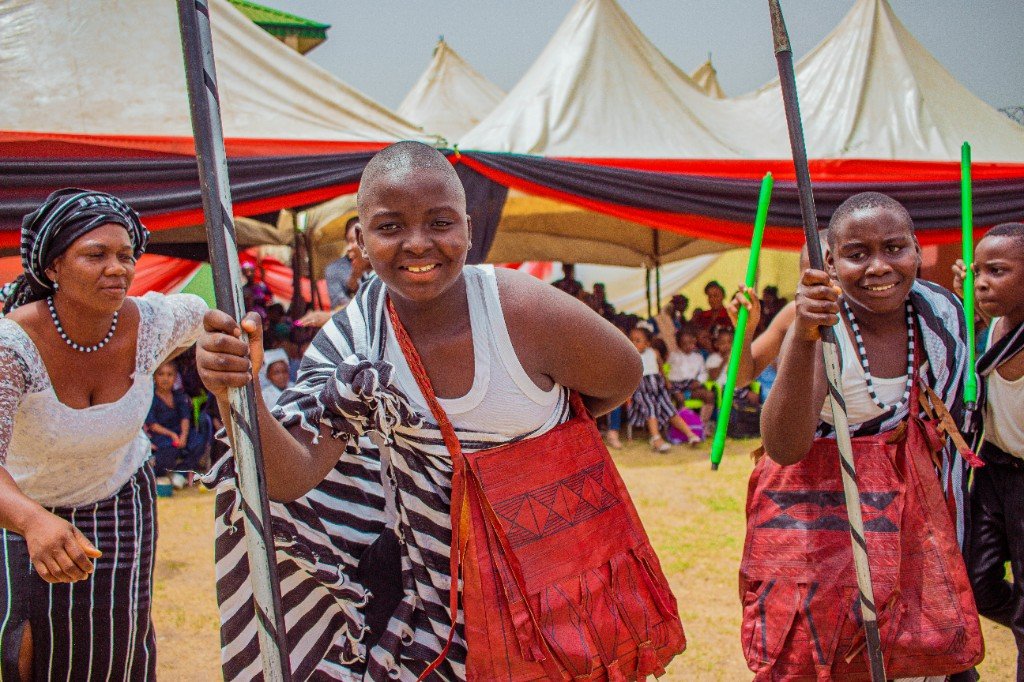
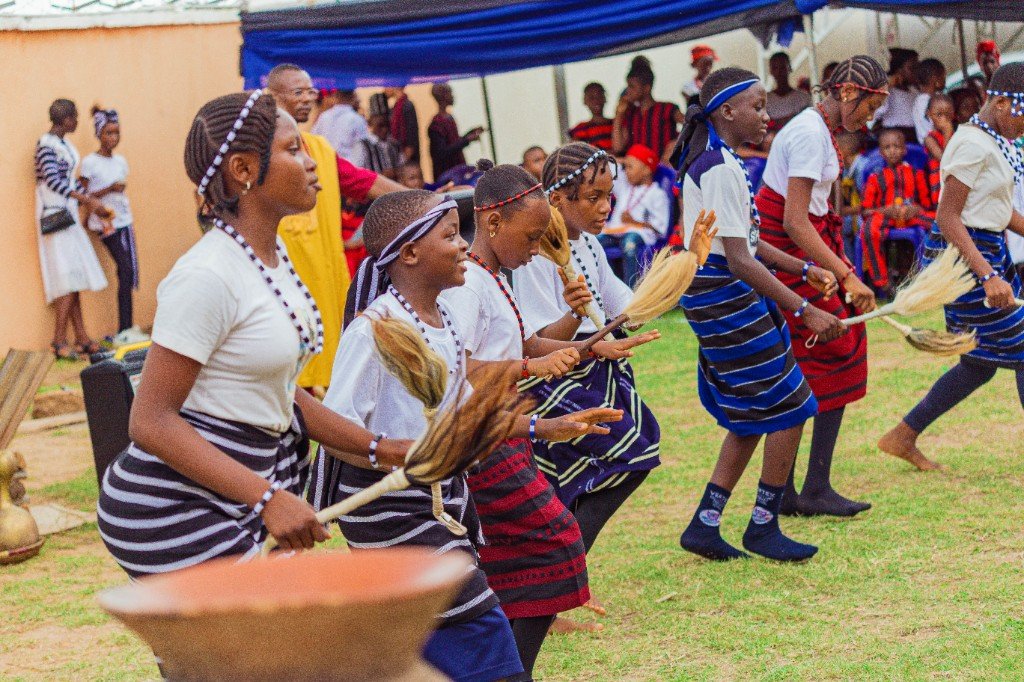
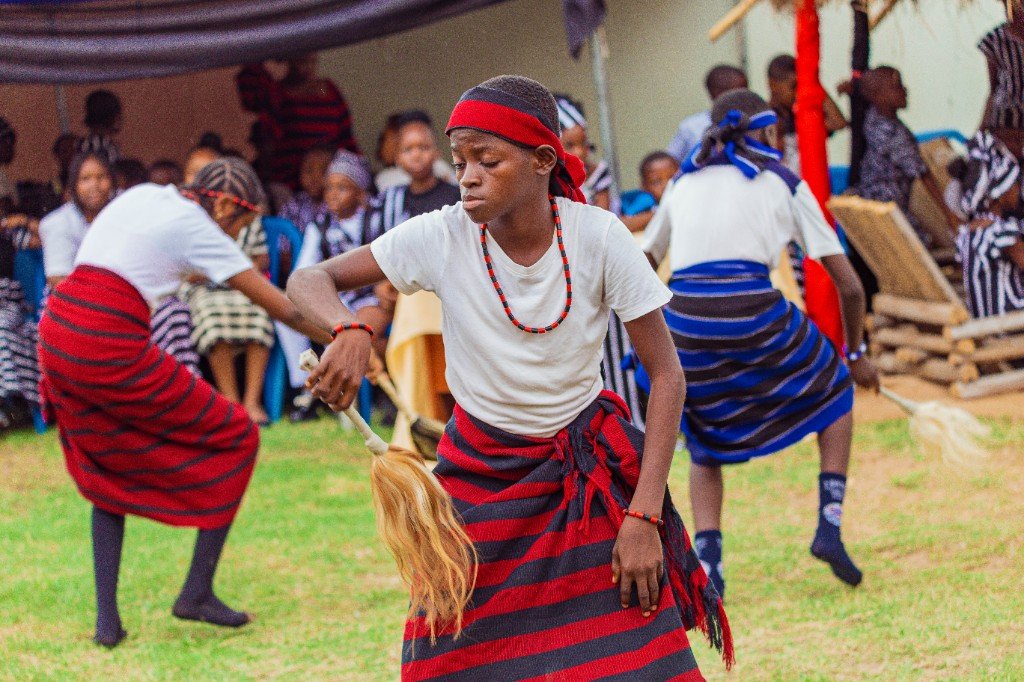
A public standard for Benue culture in schools, and the learning that happens while students get ready to meet it.
Students have to learn the music, dress, language, and stories well enough to present them beside other schools. Heritage becomes something they can carry, not only something they are told about.
The work sits inside school life. Classrooms, clubs, and rehearsals are where cultural knowledge is practised until students can perform it and explain it.
A school does not attend as an audience. It chooses categories, fields its own students, and presents that work in public.
Parents, elders, and cultural custodians pass on songs, dress, and stories during preparation, then come to see the young people present what they have learned.
A secondary school chooses from these categories and prepares students for the ones it enters in the competition. The final rules for each category will be confirmed with those schools.
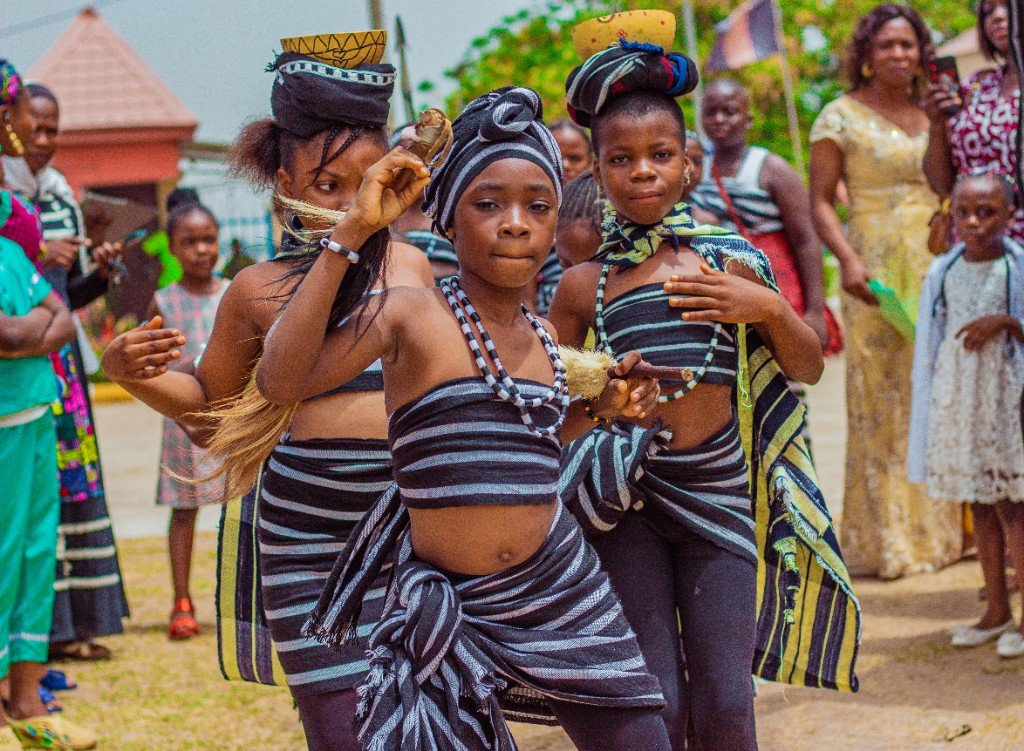
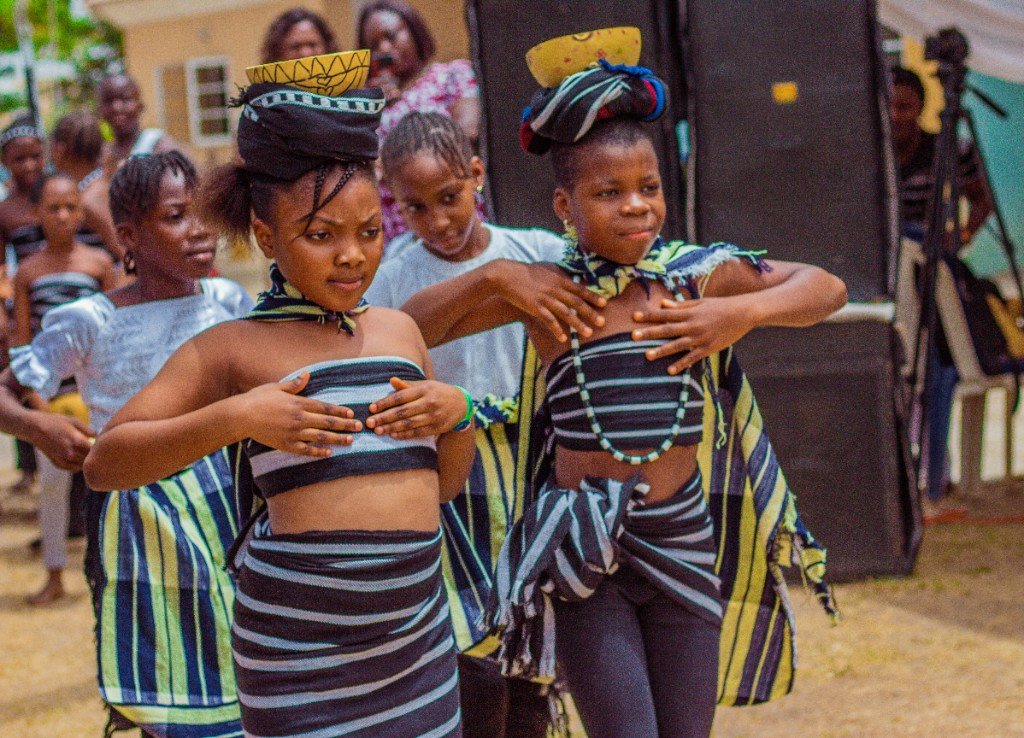
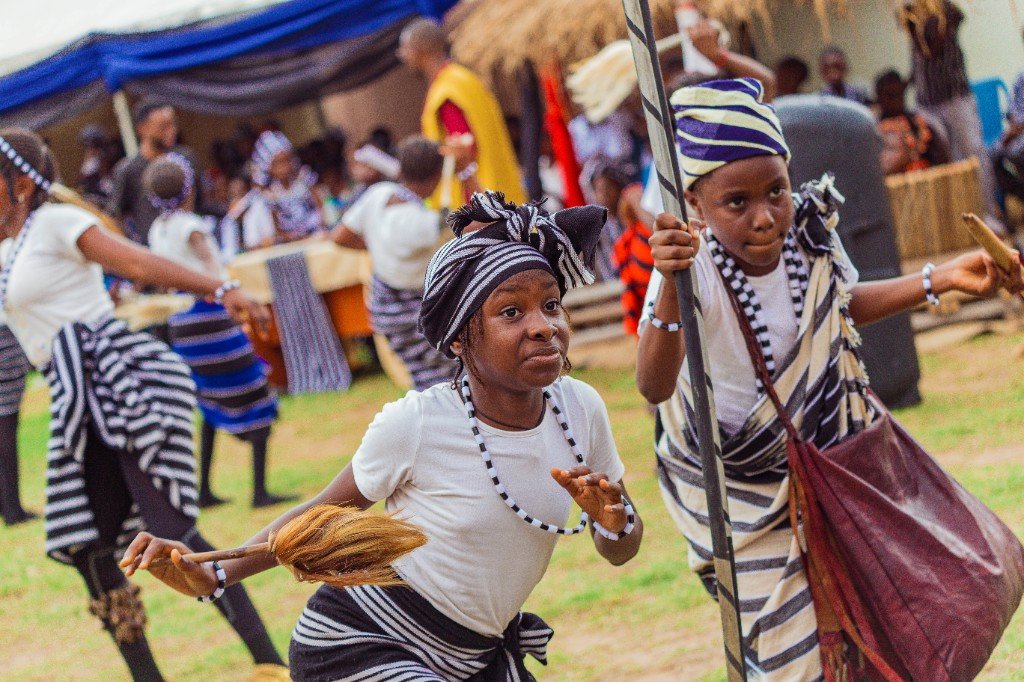
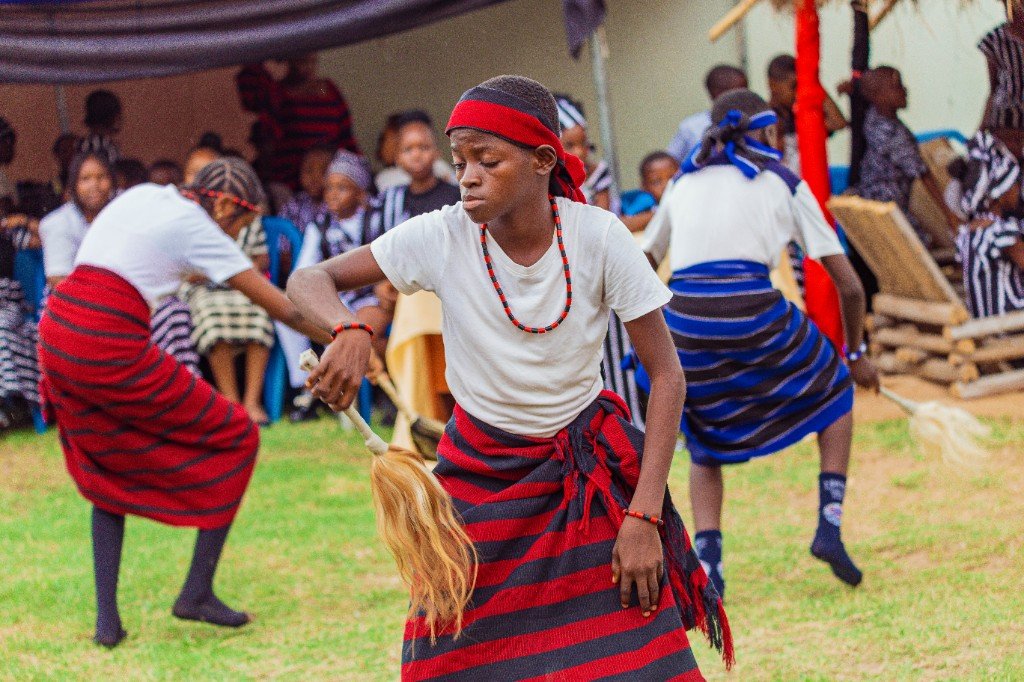
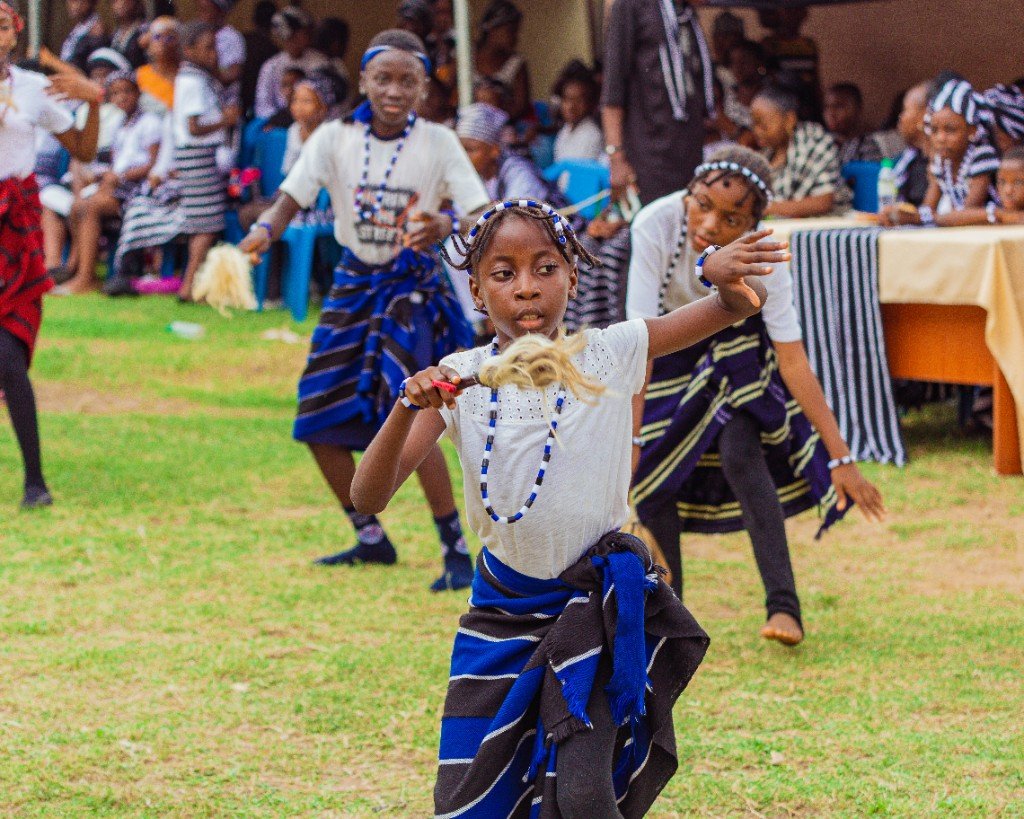
A school troupe presents folk and contemporary ethnic dance, rehearsed in costume and in step, as its entry.
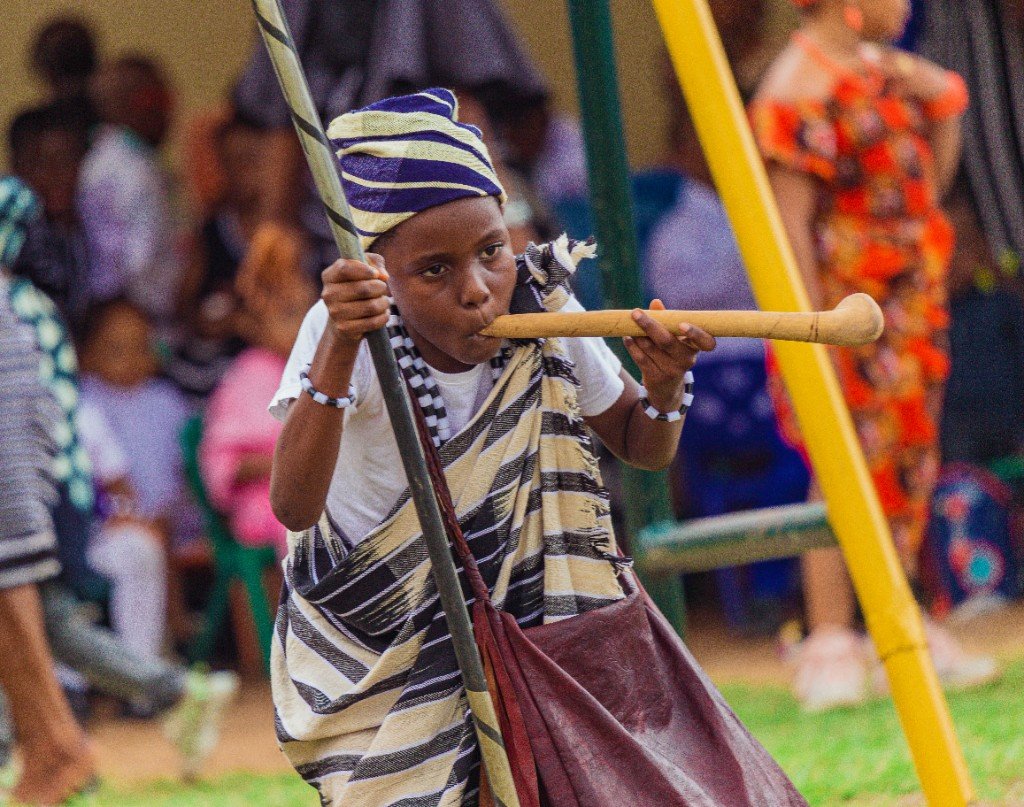
Students play indigenous instruments, sing folk songs, and lead choral pieces drawn from Benue.
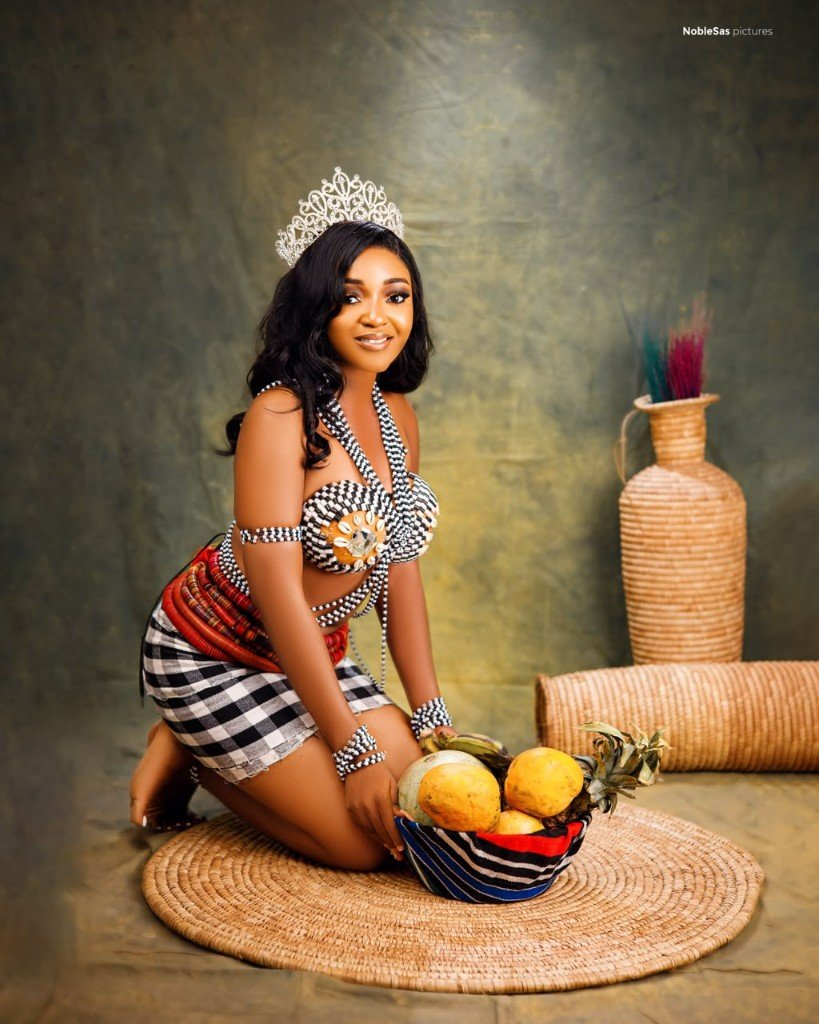
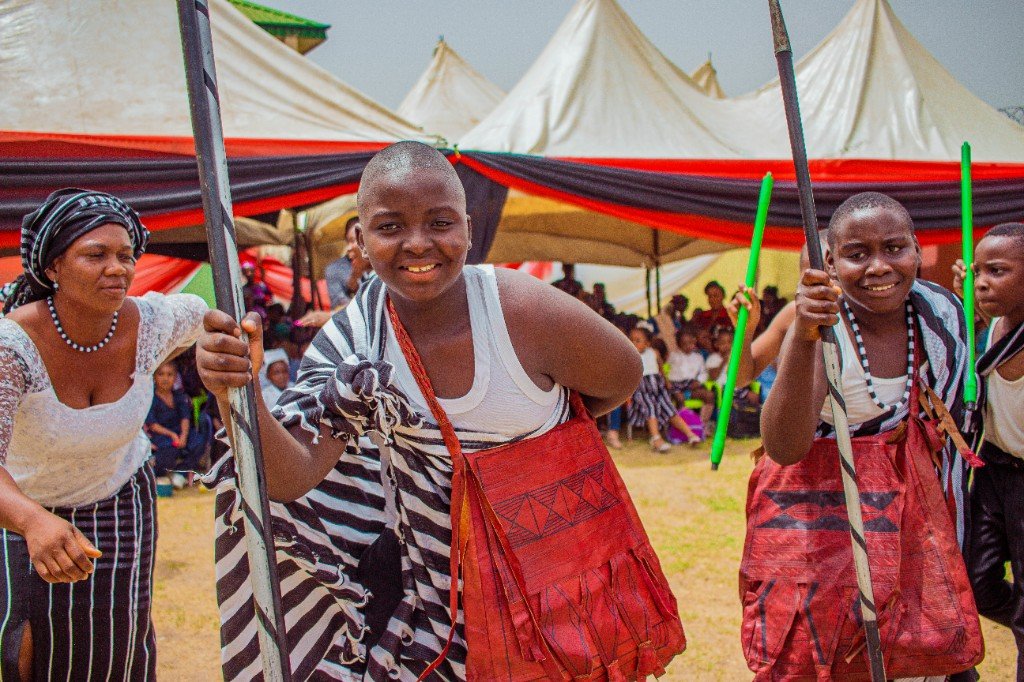
Students walk indigenous fabrics, attire, and styling, showing how dress carries identity.
Students exhibit painting, sculpture, craft, and artifacts made from Benue traditions.
Students tell folktales, recite poetry, and narrate the history of their people.
A school builds a display of ancestry, milestones, and the objects that hold memory.
Drama, stage plays, and cultural sketches, performed by the school's own cast.
Students answer on Benue history, geography, and tradition, representing what the school has taught them.
Only secondary schools in Benue State can register for this competition. Each confirmed school receives the details of the categories, the day, and what its students will be asked to present.
They learn the piece, wear the attire, and present it. When a school is announced, it is these young people the hall is waiting to see.
They choose the categories, rehearse the group, and travel with the students. The entry is only as ready as the weeks they put into it.
Families and cultural custodians supply the songs, the dress, and the corrections during preparation, then come to see the school present.
School entry
This competition is for secondary schools only. Name the school, the people who will rehearse, and the category those students will present. Dates, slots, and the rules for each category are confirmed after this entry.
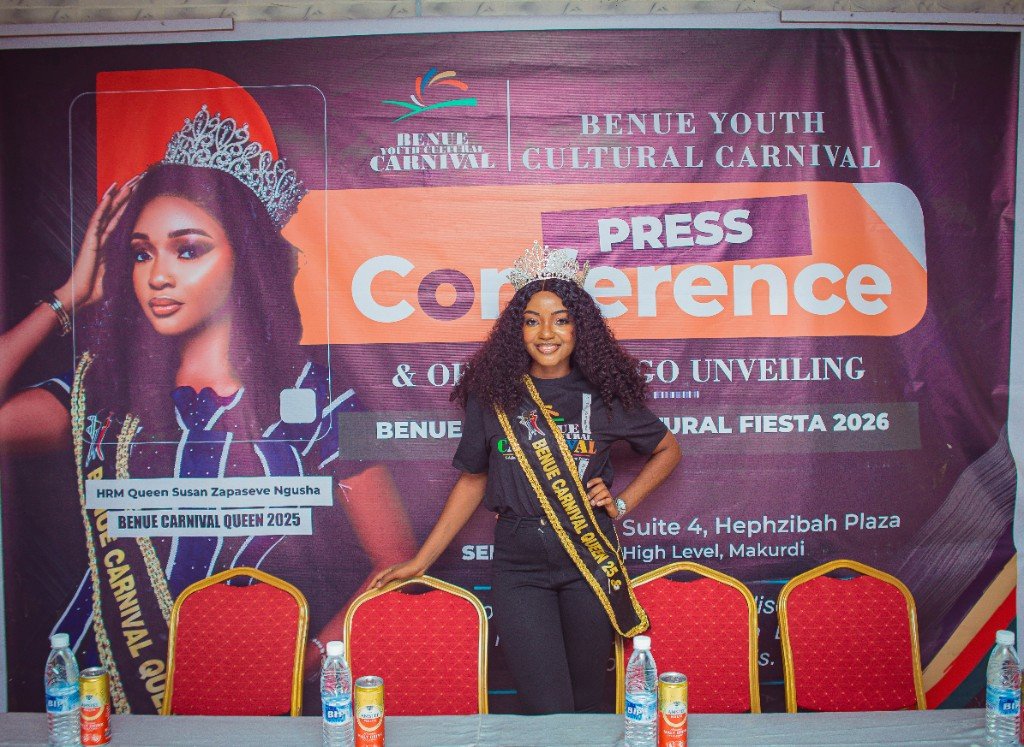
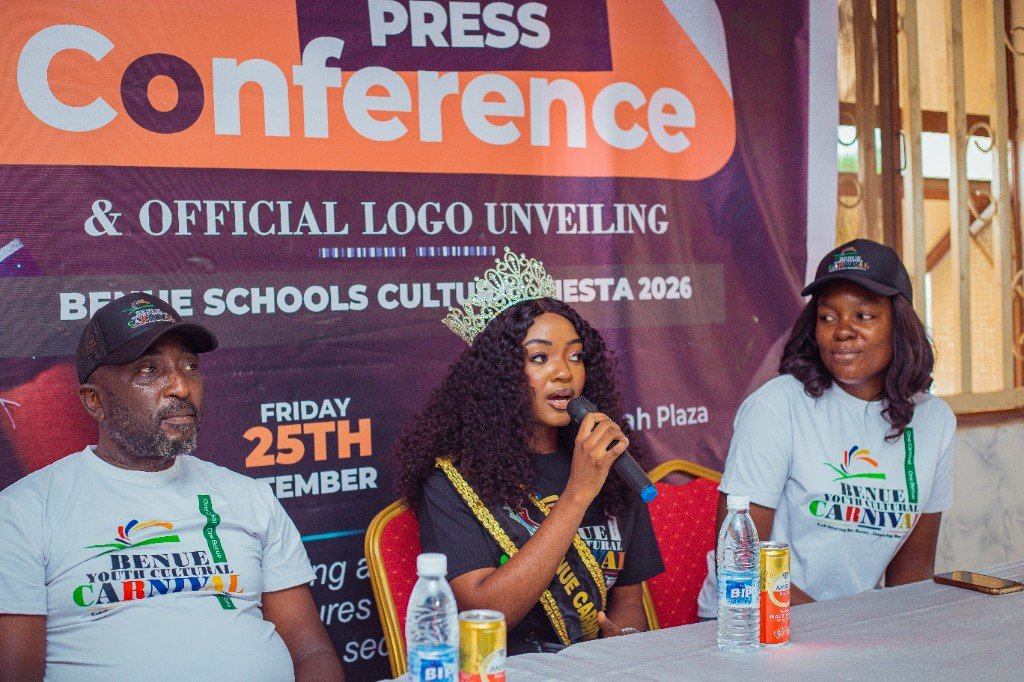
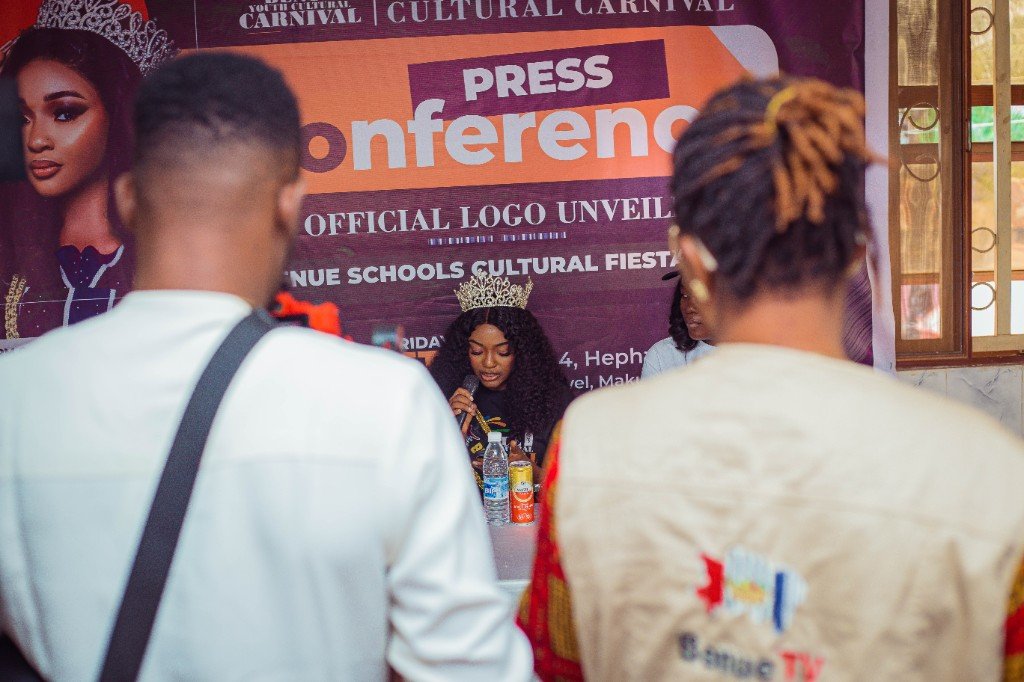
Photographs from the press conference and official logo unveiling, held in Makurdi.
1 to 3 of 14
Photographs of students presenting dance, music, and cultural dress.
A school appears here after its registration is accepted, as a school that is preparing students for the fiesta. The cards below are empty placeholders.
Local government area
PlaceholderLocal government area
PlaceholderLocal government area
PlaceholderLocal government area
PlaceholderNames will be added as schools confirm that they are preparing students for the fiesta.
Partners support the schools with the cost, the platform, and the public attention the presentations need.









Register your secondary school for the competition, choose a category, and begin the rehearsals. Or partner with VNEI so more secondary schools can prepare their students to present Benue culture in public.
Register Your School